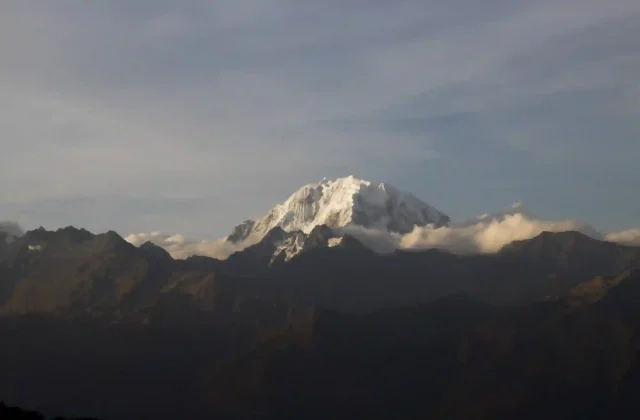
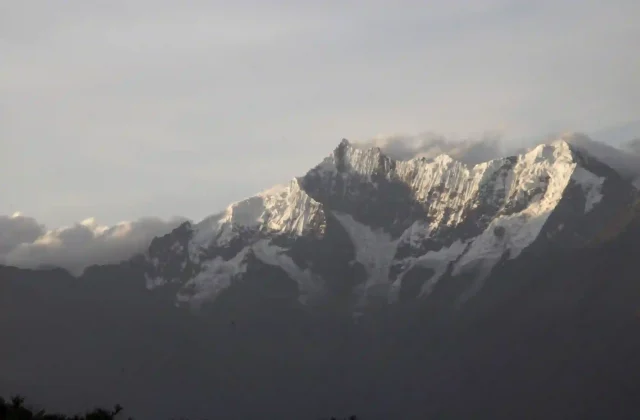
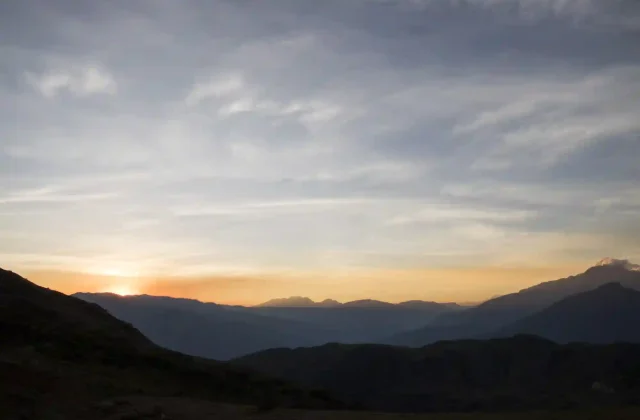
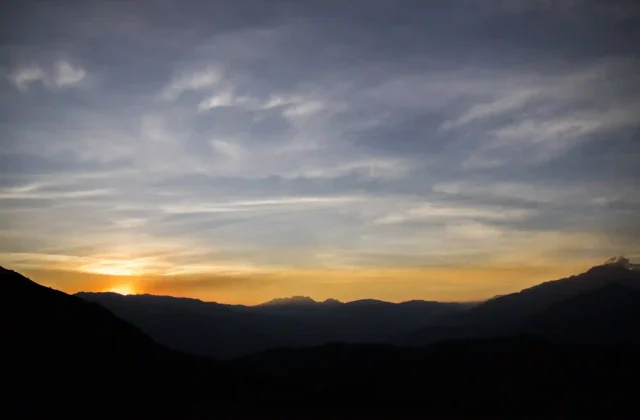
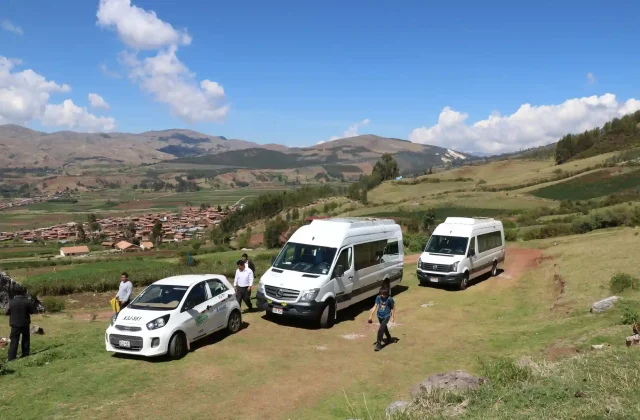
Your journey begins with a 7:00 a.m. hotel pickup in Cusco (3,399 m / 11,152 ft), setting off toward one of the most impressive natural viewpoints in the Andes: Chonta Condor Canyon.
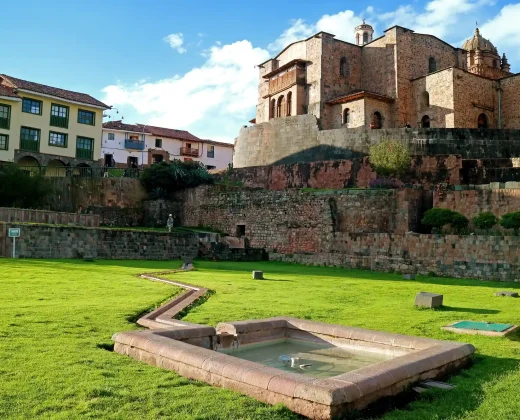
The drive is part of the adventure, taking you through changing landscapes, quiet villages, and scenic mountain roads. After about one hour, you’ll make your first cultural stop near Ancahuasi (3,465 m / 11,368 ft) to explore Killarumiyuq (3,650 m / 11,975 ft), known as “The Moonstone.” This fascinating archaeological site offers a unique connection to Andean astronomy, spirituality, and Inca heritage.
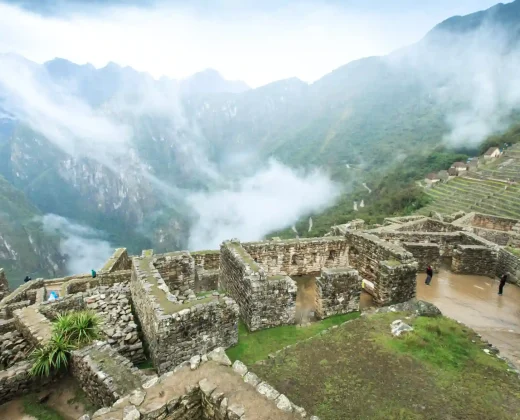
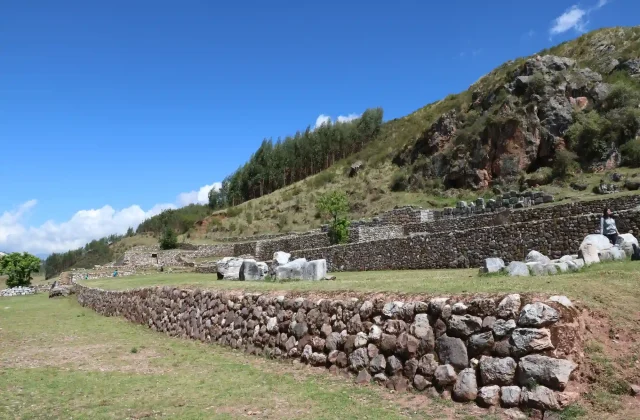
From there, you’ll continue for around 30 to 40 minutes to Tarawasi (2,675 m / 8,776 ft), another important Inca site where your guide will bring the past to life through stories, history, and cultural context.
After exploring these hidden archaeological gems, the journey continues for about 45 minutes to the remote village of Chonta, where you’ll enjoy a well-deserved lunch surrounded by the peaceful atmosphere of the Andes.
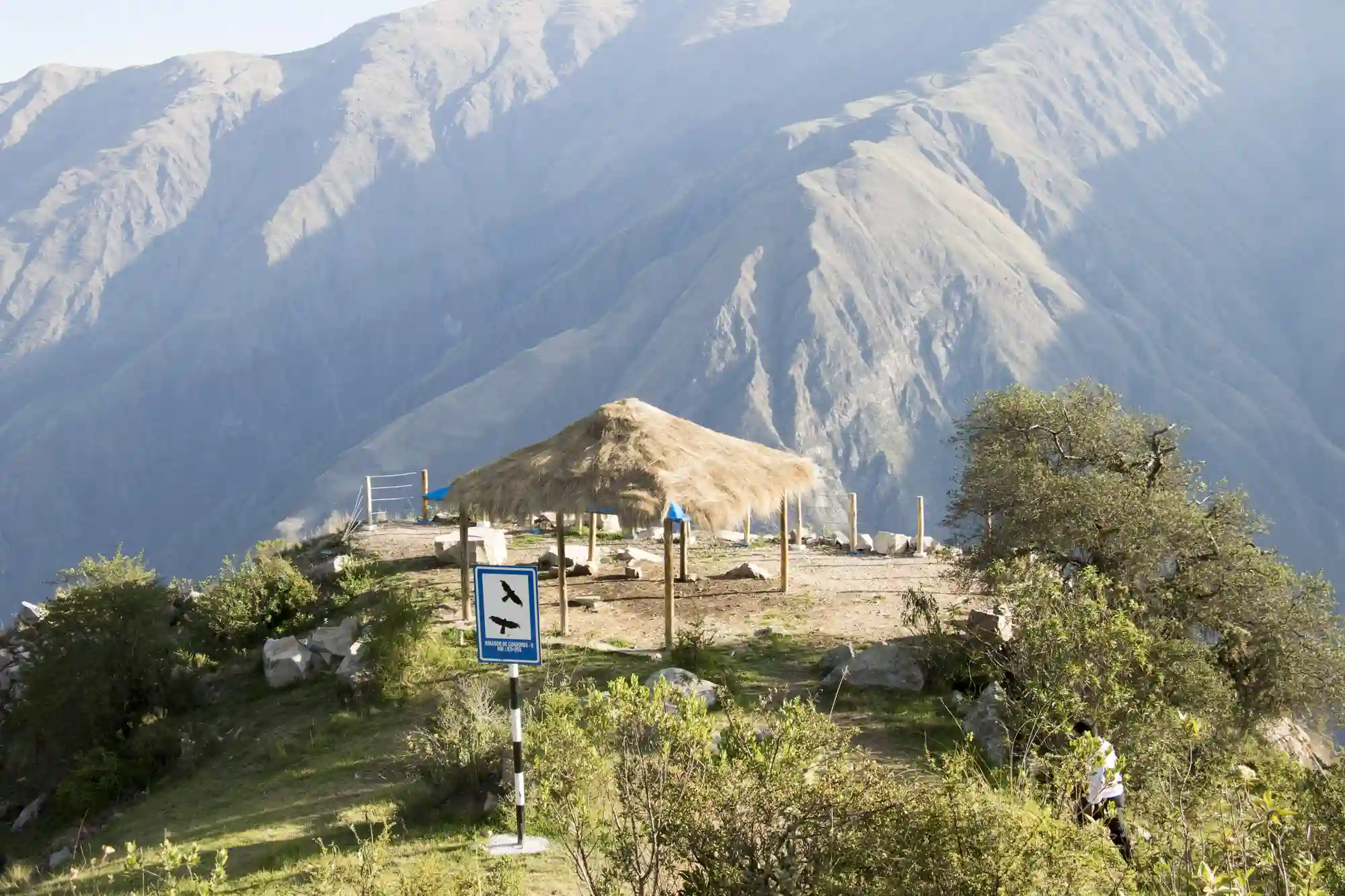
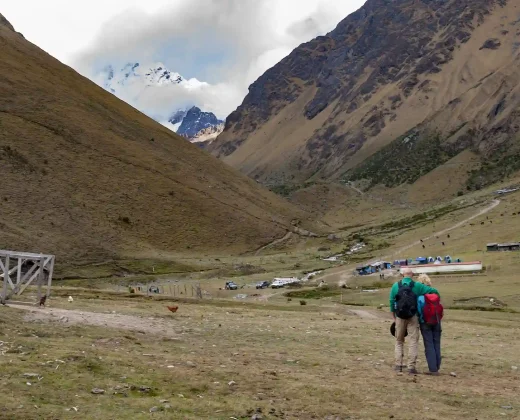
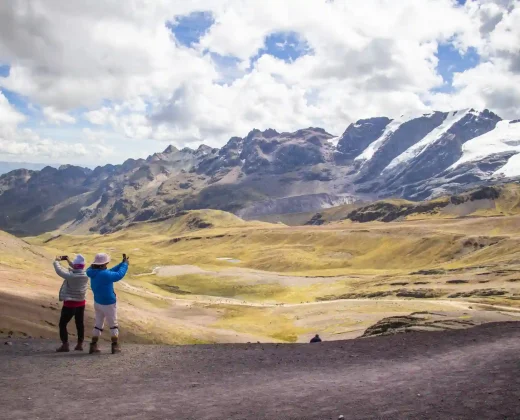
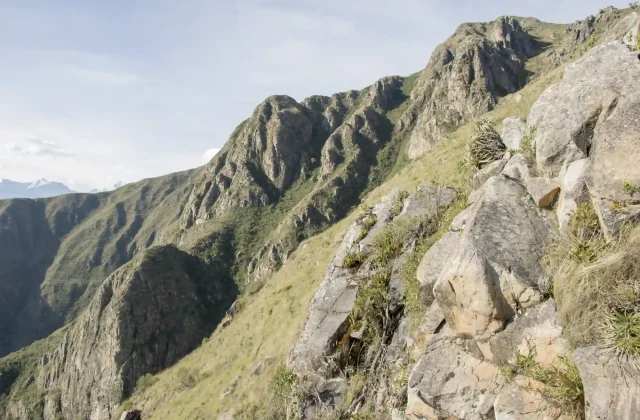
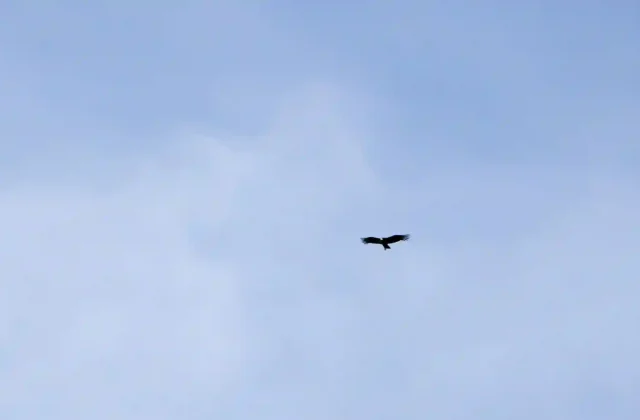
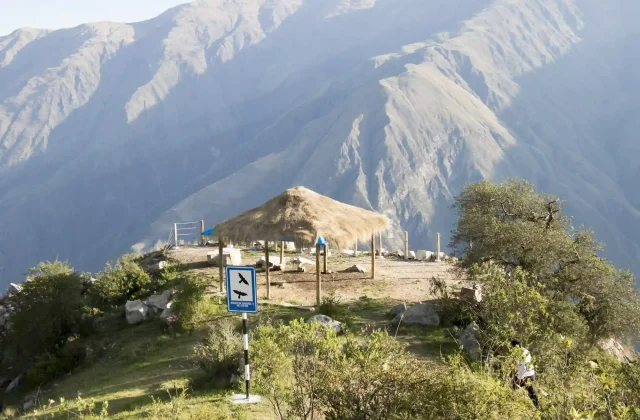
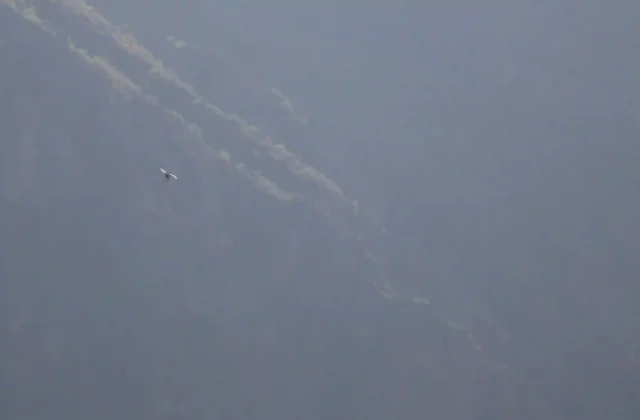
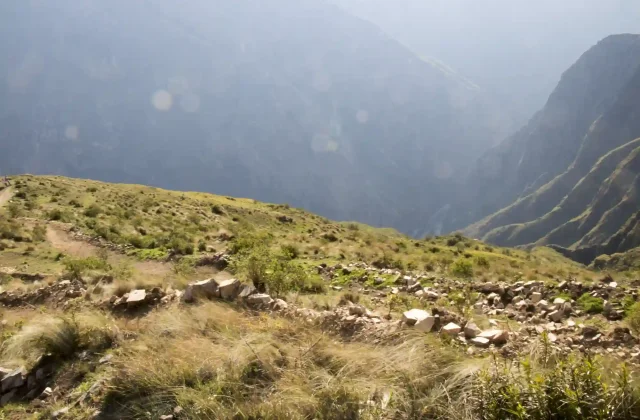
Refreshed and ready, you’ll begin the main experience of the day: the hike to the Condor Canyon viewpoint. The walk takes approximately 1.5 hours each way, following a mostly flat highland trail with a gentle downhill section near the end. Along the route, keep your eyes on the sky — condors may appear even before you reach the viewpoint.
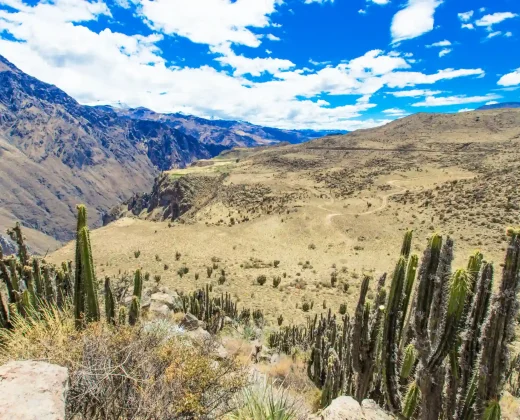
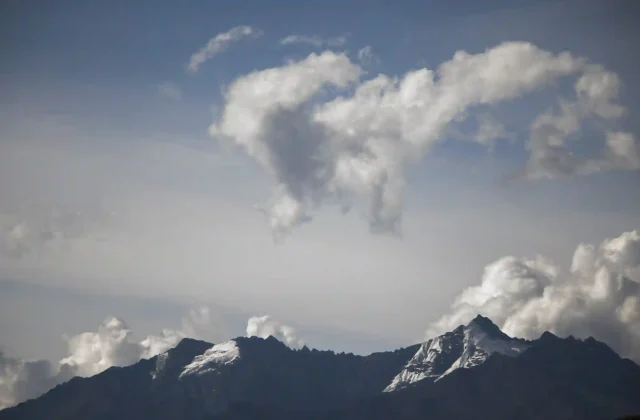
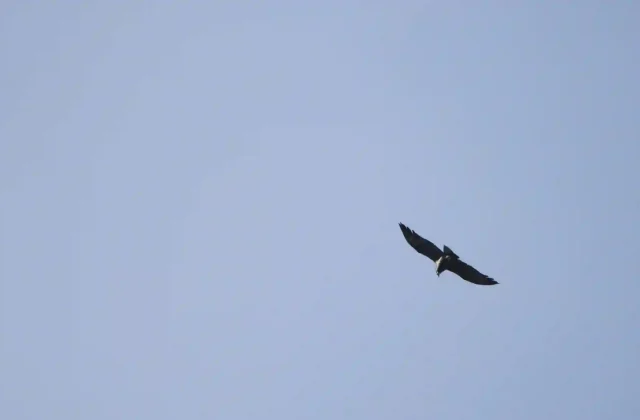
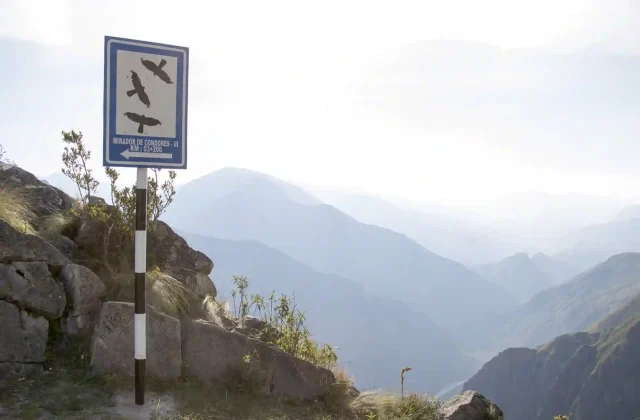
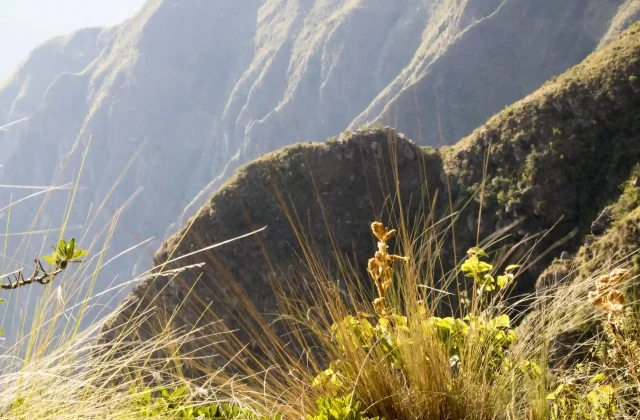
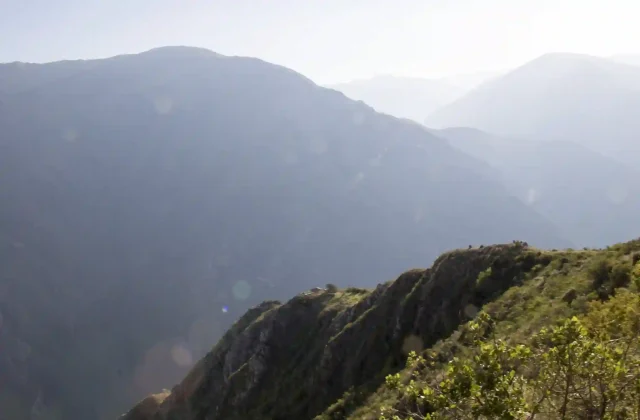
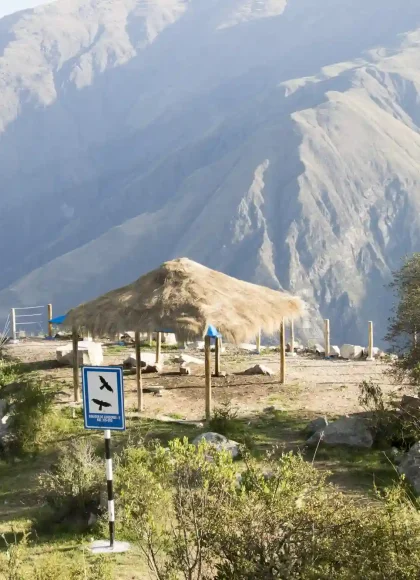
Once at the canyon, the reward is unforgettable: majestic Andean condors soaring above the Apurímac Canyon, dramatic cliffs, wide-open landscapes, and the river winding far below. It’s one of those rare moments where nature feels truly powerful and timeless.
After enjoying the views and taking photos, you’ll hike back along the same route for another 1.5 hours, then board your van for the return journey to Cusco. Arrival is usually between 7:00 and 8:00 p.m., depending on road and traffic conditions.
By the end of the day, you’ll return with much more than photos — you’ll carry the memory of ancient Inca sites, remote Andean villages, and the unforgettable sight of condors flying freely in their natural home.